
Exploring Sustainable Food Choices

Choosing what to eat affects more than just our health. It impacts the environment, local economies, and animal welfare. I focus on sustainable food choices to support a healthier planet and community. This post explores practical ways to adopt sustainable eating habits and highlights options that align with these values.
Understanding Sustainable Food Choices
Sustainable food choices involve selecting foods that are produced in ways that protect the environment, support local farmers, and promote animal welfare. These choices reduce the carbon footprint, conserve water, and minimize waste. They also encourage biodiversity and soil health.
For example, buying vegetables grown without pesticides helps maintain soil quality and protects pollinators. Choosing free-range eggs supports animal welfare and often means better quality products. Local sourcing reduces transportation emissions and strengthens community ties.
To make sustainable food choices, I look for:
Seasonal produce from nearby farms
Organic or pesticide-free vegetables
Free-range or pasture-raised animal products
Minimal packaging and waste
These criteria help me support farms that prioritize environmental care and ethical practices.
Benefits of Sustainable Food Choices
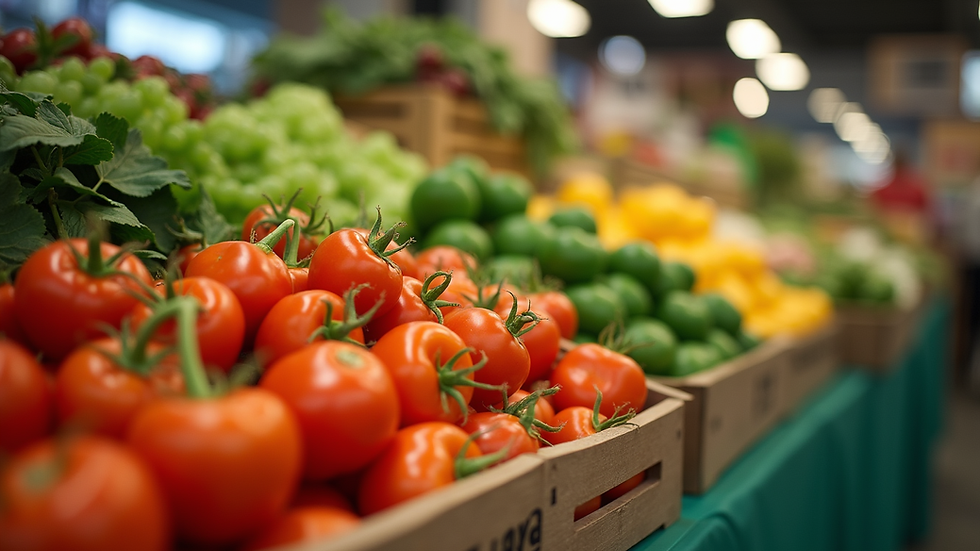
Sustainable food choices offer several benefits. They improve personal health by providing fresher, nutrient-rich foods. They also reduce exposure to harmful chemicals found in conventionally grown produce.
Environmentally, these choices lower greenhouse gas emissions and reduce water use. Supporting local farms helps preserve farmland and rural economies. It also fosters a connection between consumers and food producers.
Economically, buying directly from farms or local markets often means better prices and fresher products. It cuts out middlemen and reduces packaging waste. This approach encourages farms to continue sustainable practices.
By choosing sustainable food options, I contribute to a system that values quality over quantity and long-term health over short-term gains.
What is the most sustainable way to eat?
The most sustainable way to eat combines several strategies. First, prioritize plant-based foods. Plants require fewer resources than animal products. Incorporate more vegetables, fruits, grains, and legumes into meals.
Second, choose local and seasonal foods. This reduces transportation emissions and supports local farmers. Seasonal foods are often fresher and more flavorful.
Third, reduce food waste. Plan meals, store food properly, and use leftovers creatively. Composting organic waste also returns nutrients to the soil.
Fourth, select animal products carefully. Opt for free-range, pasture-raised, or sustainably farmed meats and eggs. These methods tend to have lower environmental impacts.
Finally, avoid highly processed foods and excessive packaging. Choose whole foods and bring reusable bags and containers when shopping.
By combining these steps, I create a balanced diet that supports environmental health and personal well-being.

Practical Tips for Adopting Sustainable Food Choices
Adopting sustainable food choices can seem challenging, but small changes make a difference. Here are practical tips I follow:
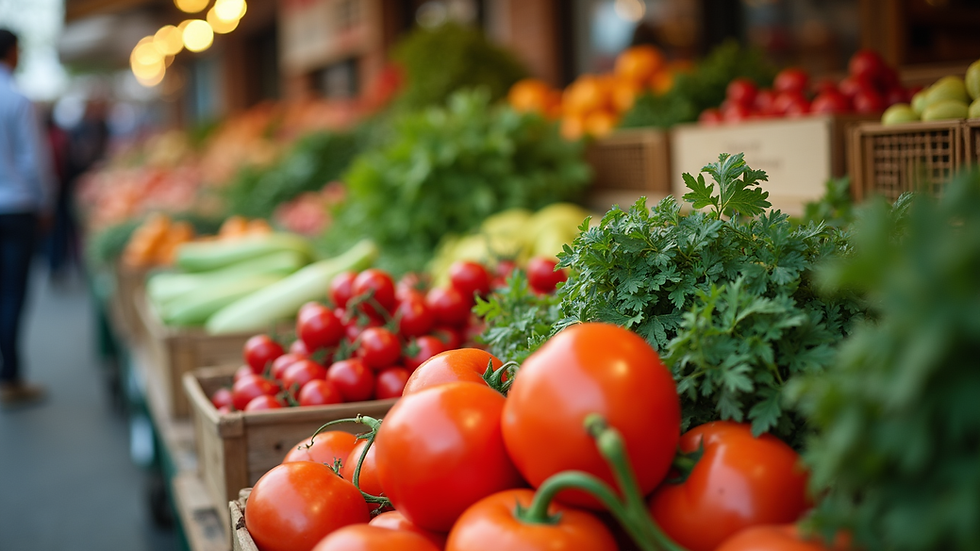
Shop at local farmers markets or farm stands. This supports local agriculture and reduces food miles.
Join a community-supported agriculture (CSA) program. Receive seasonal produce directly from farms.
Grow your own herbs or vegetables. Even a small garden or container plants help reduce reliance on store-bought produce.
Read labels carefully. Look for certifications like organic, free-range, or non-GMO.
Cook at home more often. This reduces reliance on processed foods and allows control over ingredients.
Use reusable bags and containers. Minimize plastic waste during shopping and storage.
Plan meals to avoid waste. Use leftovers creatively and freeze excess food.
Educate yourself about food origins. Understanding where food comes from helps make informed choices.
These steps help me stay consistent with sustainable eating habits and encourage others to do the same.
Supporting Local Farms and Sustainable Practices
Supporting local farms is key to sustainable food choices. Farms that use natural methods and avoid pesticides contribute to healthier ecosystems. They also provide fresher, more nutritious food.
Misty Valley Acres, LLC, for example, offers pesticide-free vegetables, free-range eggs, and natural handcrafted goods. Their direct-to-consumer delivery service makes it easy to access fresh, sustainable products. This model reduces the need for long supply chains and packaging.
By choosing local farms, I help maintain farmland, support farm families, and promote sustainable agriculture. It also builds a community around shared values of quality and care.
I encourage others to explore local options and consider the impact of their food purchases. Together, we can foster a food system that benefits people and the planet.
Exploring sustainable food options is a journey. It requires awareness, effort, and commitment. However, the rewards include better health, a cleaner environment, and stronger communities. By making mindful food choices, I contribute to a future where food nourishes both people and the earth.


Comments