
Best Places for Local Produce Shopping

Buying local produce supports sustainable farming and ensures fresh, natural food. I focus on finding places that offer pesticide-free vegetables, free-range eggs, and handcrafted goods. This post shares practical tips and specific locations to help you shop for local produce effectively.
Benefits of Local Produce Shopping
Local produce often tastes better and is more nutritious. It travels shorter distances, reducing carbon emissions. Buying directly from farmers or local markets helps the community and supports small businesses. You get seasonal items that are fresher and free from long-term storage chemicals.
Local produce shopping also means fewer preservatives and less packaging waste. You can ask farmers about their growing methods and choose products that meet your standards for sustainability and quality.
Best Places for Local Produce Shopping
Several places offer excellent options for local produce. Here are some of the best:
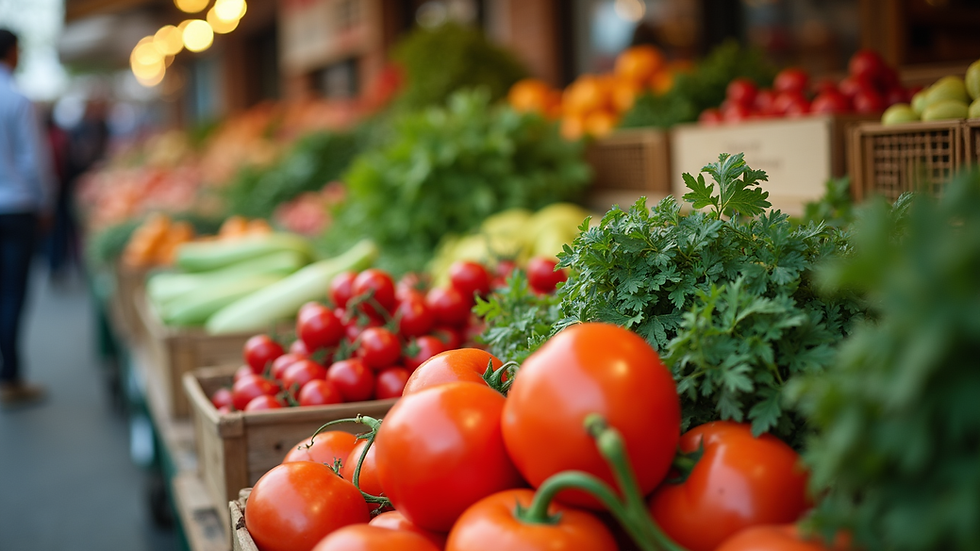
Farmers Markets: These are ideal for fresh fruits, vegetables, eggs, and homemade goods. You can meet the growers and learn about their practices. Markets often operate weekly and feature seasonal items.
Community Supported Agriculture (CSA): CSA programs allow you to subscribe to a farm’s harvest. You receive a box of fresh produce regularly. This supports farmers directly and guarantees fresh, local food.
Farm Stands and Roadside Markets: These are smaller than farmers markets but often run by local farms. They provide fresh produce and sometimes eggs or dairy.
Local Grocery Stores with Local Sections: Some grocery stores dedicate sections to local products. These stores work with nearby farms to stock fresh, seasonal items.
Online Local Produce Delivery Services: Many farms now offer direct-to-consumer delivery. This is convenient and ensures you get fresh produce without leaving home.
How to Buy Groceries Locally?
Buying groceries locally requires some planning. Here are steps to make it easier:
Research Local Options: Use online resources or community boards to find farmers markets, CSAs, and farm stands near you.
Check Schedules and Locations: Farmers markets and stands often have specific days and hours. Plan your shopping trips accordingly.
Ask Questions: When you visit, ask about growing methods, pesticide use, and freshness. This helps you choose the best products.
Bring Reusable Bags: Many local vendors encourage sustainable practices, including reducing plastic waste.
Try New Items: Local produce varies by season. Be open to trying unfamiliar fruits or vegetables.
Join a CSA: If you want regular deliveries, sign up for a CSA. This supports farms and guarantees fresh produce.
Use Delivery Services: If available, use local delivery services to get fresh produce at home.
Tips for Choosing Quality Local Produce
When shopping for local produce, quality matters. Here are some tips:
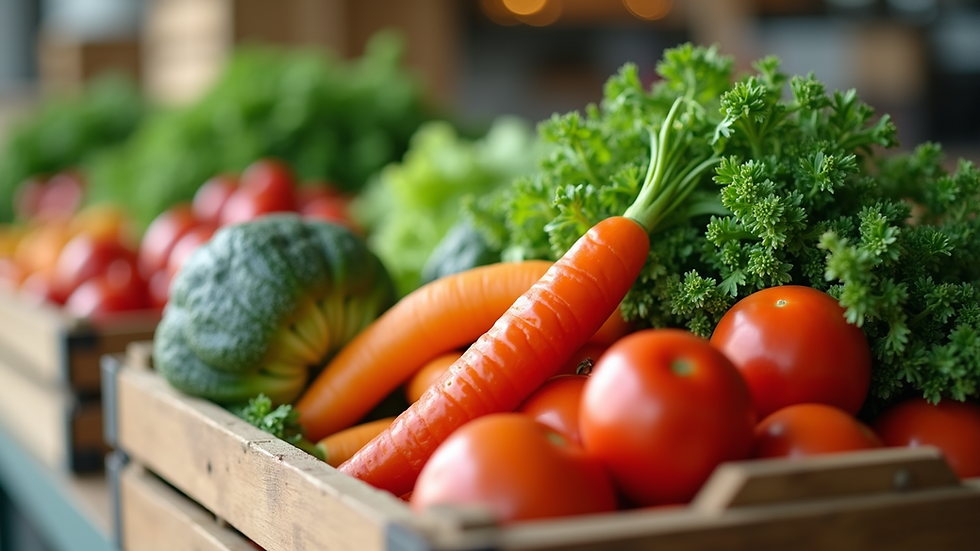
Look for Vibrant Colors: Fresh produce has bright, natural colors.
Check for Firmness: Fruits and vegetables should be firm but not hard.
Smell the Produce: Fresh items often have a pleasant, natural aroma.
Avoid Bruises and Spots: These can indicate damage or overripeness.
Buy Seasonal: Seasonal produce is fresher and often cheaper.
Ask About Storage: Some items last longer if stored properly.
Supporting Sustainable Farming Practices
Choosing local produce means supporting farms that prioritize sustainability. Look for farms that:
Use organic or pesticide-free methods.
Practice crop rotation and soil conservation.
Raise animals humanely with free-range conditions.
Minimize packaging and waste.
Engage with the community through education or events.
Supporting these farms helps maintain healthy ecosystems and promotes ethical food production.
Expanding Access to Local Produce
Many farms and organizations work to make local produce more accessible. Some offer:
Direct-to-Consumer Delivery: Farms deliver fresh produce boxes to your door.
Pop-Up Markets: Temporary markets in urban areas bring local produce closer to consumers.
Farm Tours and Workshops: These educate consumers about sustainable farming.
Partnerships with Restaurants: Local produce reaches more people through local dining.
These efforts help build a community around fresh, sustainable food.
If you want to know more about where to buy local produce, check local farm websites and community resources. This helps you find trusted sources for fresh, pesticide-free vegetables and natural handcrafted goods.
Building a Relationship with Local Farmers
Developing a relationship with local farmers benefits both sides. You get reliable access to quality produce. Farmers receive direct feedback and support. Here’s how to build that connection:
Visit farms during open days or events.
Subscribe to newsletters or social media updates.
Provide feedback on products and services.
Participate in community-supported agriculture programs.
Volunteer or attend workshops.
This relationship fosters trust and encourages sustainable farming.
Final Thoughts on Local Produce Shopping
Local produce shopping offers fresh, healthy food while supporting sustainable agriculture. By choosing farmers markets, CSAs, farm stands, and delivery services, you access high-quality, pesticide-free products. Following simple tips helps you select the best items and build connections with local farms.
Supporting local farms strengthens the community and promotes environmental responsibility. It also ensures you enjoy natural, seasonal food that benefits your health and the planet.


Comments